

Shri Mohan Majhi
Hon'ble Chief Minister

Shri Ganesh Ram Singhkhuntia
Hon'ble Minister of State
Shri Mohan Majhi
Hon'ble Chief Minister
Shri Ganesh Ram Singhkhuntia
Hon'ble Minister of State
Forest fires pose a serious threat to biodiversity, wildlife habitats, and forest ecosystems. At Atei Jungle, proactive fire prevention and scientific management practices are implemented by the Keonjhar Forest Division to safeguard forest resources, protect wildlife, and maintain ecological balance throughout the year.
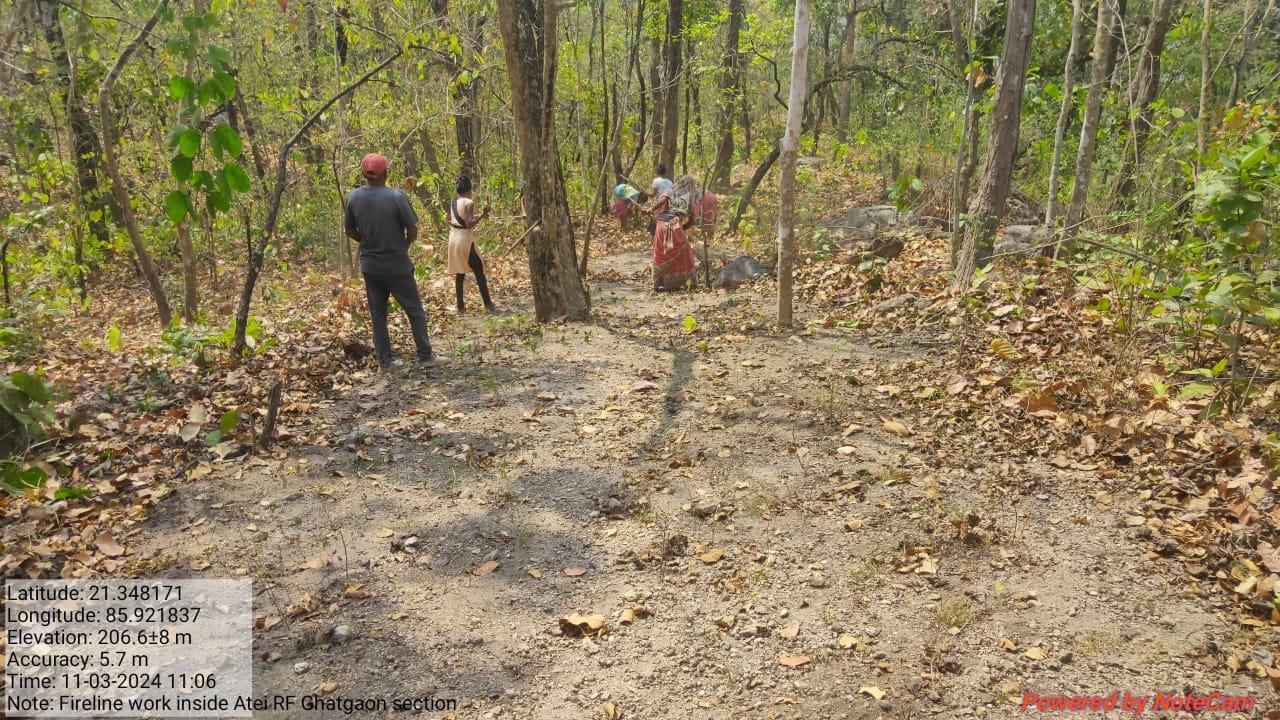
Fire prevention measures are essential to reduce the risk of forest fires and protect natural resources. These include clearing dry leaves and combustible materials, creating and maintaining fire lines, and restricting unsafe activities inside forests during the fire season. Awareness programmes help local communities adopt safe practices. Regular patrolling and early warning systems further strengthen fire prevention efforts. Effective prevention minimizes fire damage and ensures forest conservation.
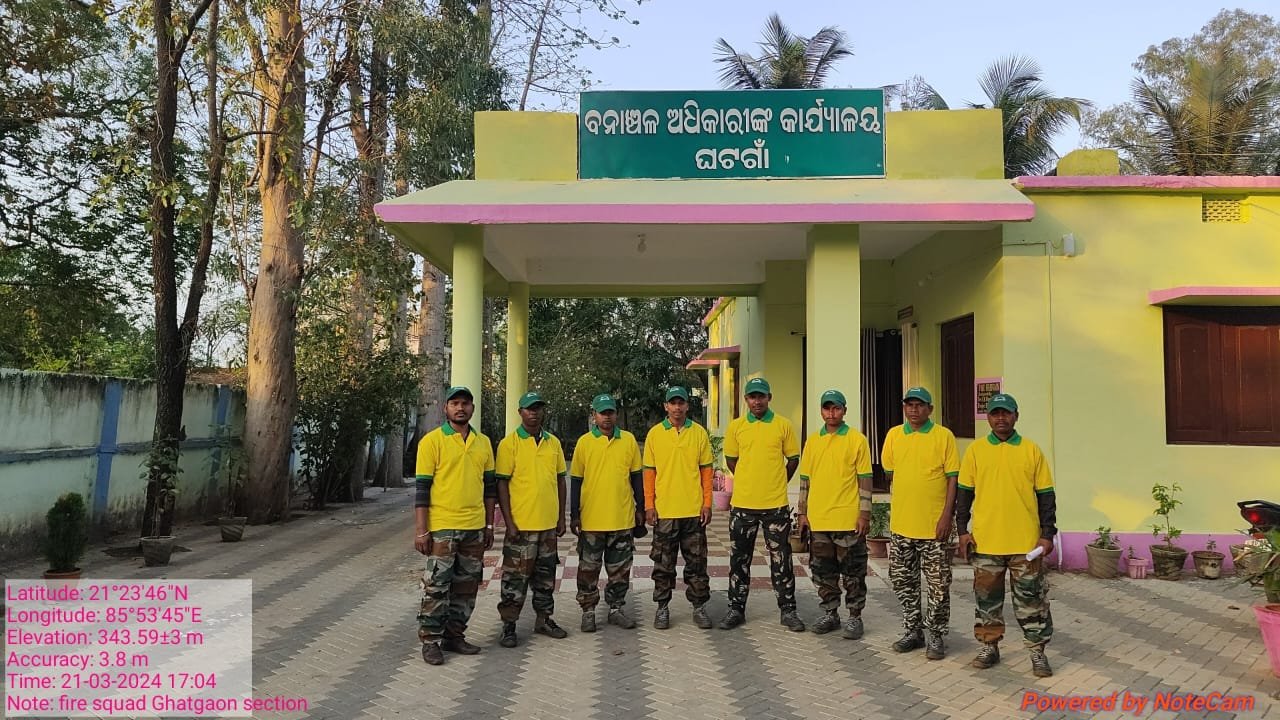
Forest Fire Watch and Monitoring is an important system for early detection and prevention of forest fires. It involves regular patrolling by forest staff and trained community volunteers during the fire season. Watch towers, mobile communication and satellite-based alerts help in timely reporting of fire incidents. Quick information sharing enables immediate response and effective fire control. This system significantly reduces fire damage and protects forest resources.
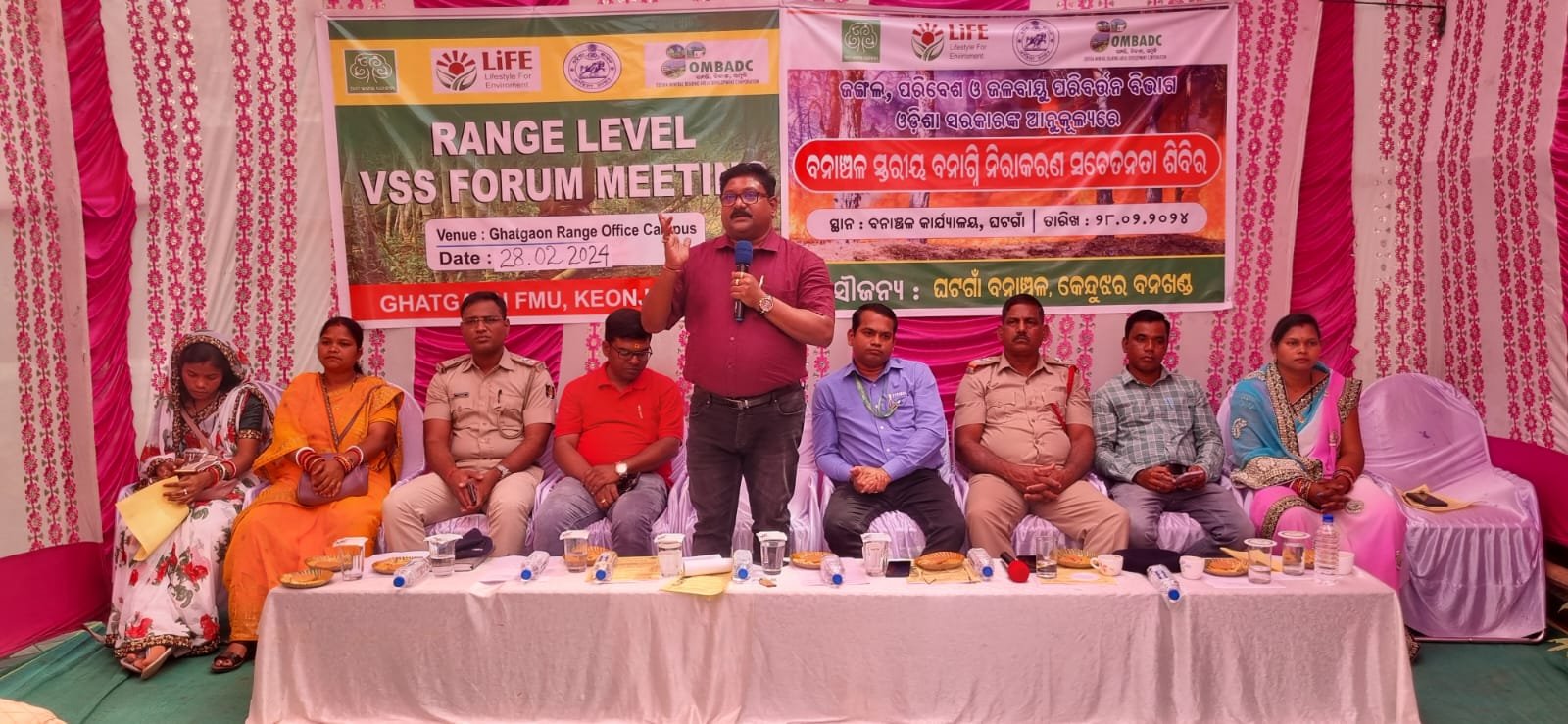
Community participation is essential for effective forest fire management. Local villagers help in early detection, prevention and quick control of forest fires. Awareness programmes and training strengthen their role in safe firefighting practices. Village fire protection committees support the Forest Department during fire incidents. This joint effort greatly reduces forest damage and promotes sustainable conservation.
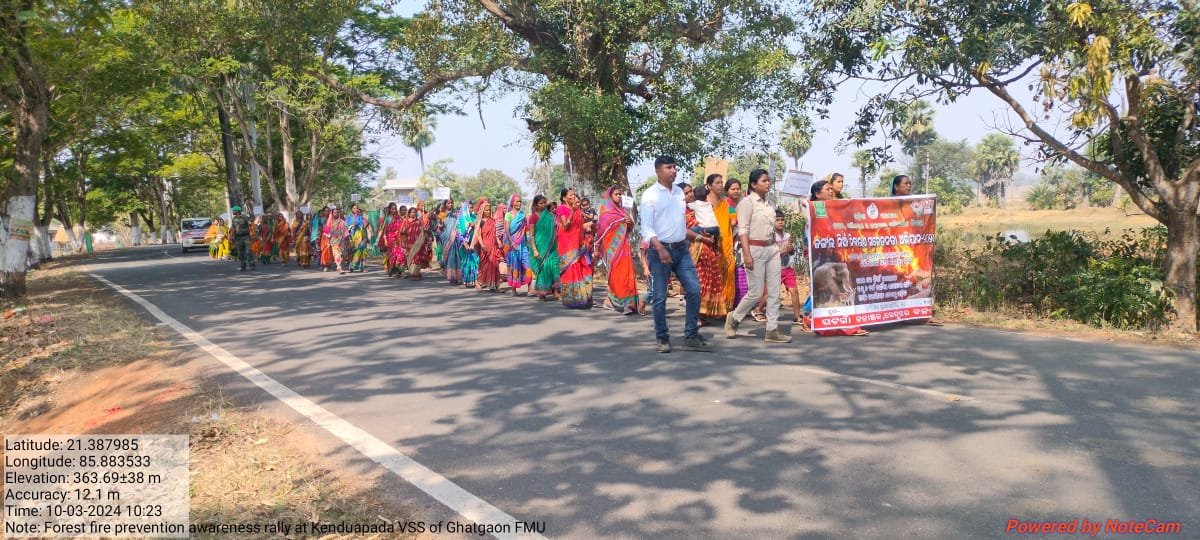
Forest Fire Watch & Monitoring plays a vital role in Rapid Fire Control & Recovery by enabling early detection through watch towers, patrols, community participation, and satellite alerts. Immediate reporting ensures fast mobilization of trained firefighting teams. Fire control measures include creating fire lines, using water sources, and applying controlled burning techniques. Communication networks help in coordinated action during emergencies. After fire suppression, recovery activities such as soil conservation, debris removal, and replantation are carried out.