

Shri Mohan Majhi
Hon'ble Chief Minister

Shri Ganesh Ram Singhkhuntia
Hon'ble Minister of State
Shri Mohan Majhi
Hon'ble Chief Minister
Shri Ganesh Ram Singhkhuntia
Hon'ble Minister of State

The Atei Forest is believed to be centuries old, formed naturally through climatic and ecological evolution. Ancient communities worshipped the forest as a sacred guardian of life.

Tribes like Juang, Bhuyan, and Kolha lived in harmony with Atei for generations, relying on its natural resources and protecting wildlife through traditional beliefs.
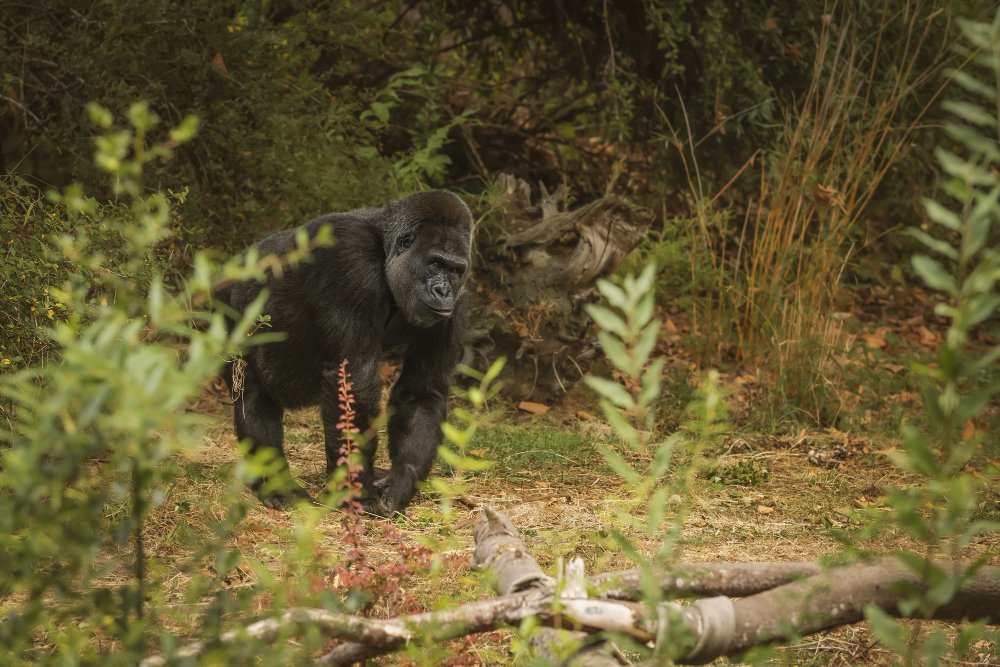
The forest gradually developed into a rich ecosystem — home to elephants, leopards, deer, reptiles, birds, butterflies, and numerous medicinal plant species.

British forest surveys (1902–1910) recorded Atei as a dense, undisturbed woodland with extremely rich fauna.

After 1970, the Forest Department began structured wildlife protection, anti-poaching, fire prevention, and reforestation initiatives.

Local villagers formed Forest Protection Committees, actively guarding Atei from illegal logging and forest fire threats.

Atei Jungle Safari was launched to promote eco-tourism, wildlife education, and sustainable livelihood opportunities for surrounding communities.
Natural forest formation and early tribal settlements.
Forest worship becomes deep-rooted among tribal groups.
British documentation identifies Atei as a rich biodiversity zone.
Conservation efforts begin — anti-poaching, fire control, reforestation.
Community forest committees strengthen protection.
Atei Jungle Safari launched — eco-tourism expands.